Table Of Content
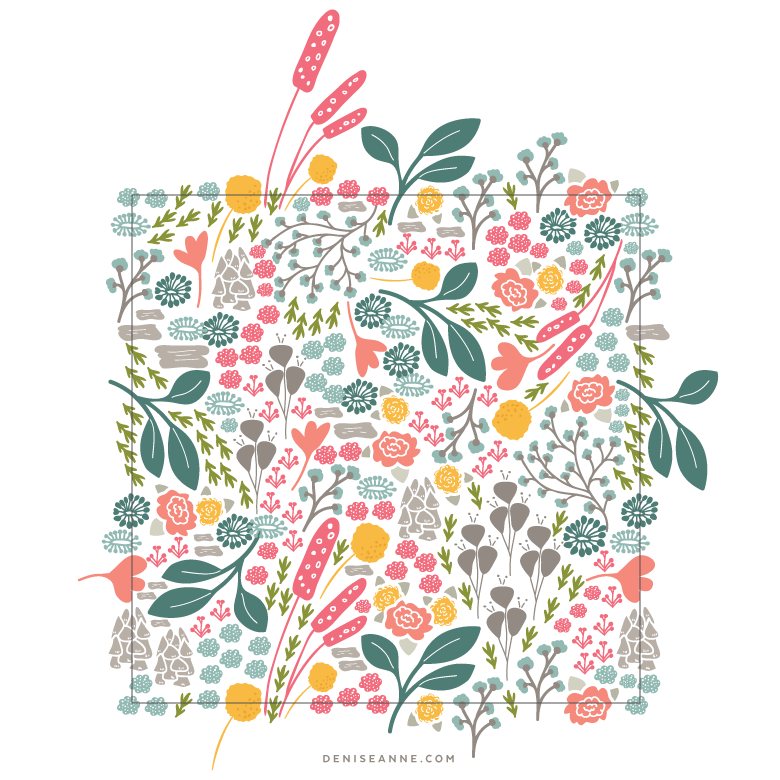
Some other ways to use stripes include blocks of texture, patterns, repeated motifs, zig zags or wavy lines. Another very commonly used surface pattern repeat is the half drop. It consists of the repeat unit being stacked vertically in a column format which is then offset by half in the next vertical row.
pattern design
A designer chooses elements of aesthetics based on what is to be presented to the viewers. Repetition creates rhythm, an essential element that evokes the feeling of movement. Visitors can see and feel a sense of movement when they see an interval between the repeated elements. It also is an effective way to build a visual hierarchy in designs.
Why use repetition in graphic design?
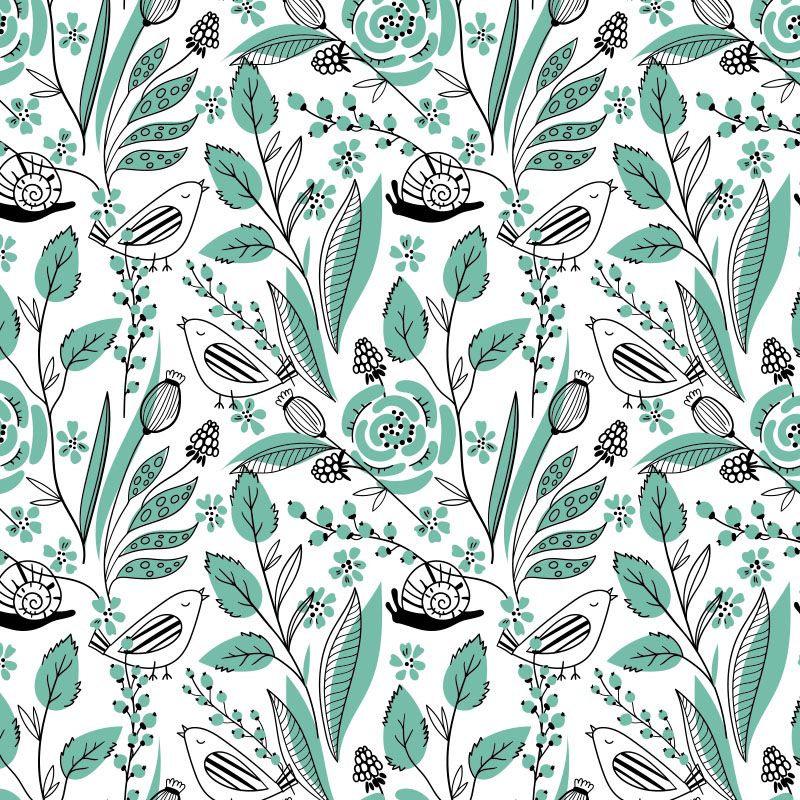
Hierarchy and rhythm are design principles that rely heavily on repetition. Without the principle of repetition, it would essentially be impossible to create either one, unless you had very little visual content to work with. We often think of repetition as applying to fonts or colors. But repetition also applies to shapes, illustrations and other visual elements. When used well, repeating visual elements can create a cohesive feel. The following infographic is a prime example of repetition.
Flippin Furniture & Consignments
For example, if you want to convey your firm position in the food industry, your designer may incorporate multiple images from the food sector on your website pages. Repetition of shapes is also an effective way for designers to convey a message and create a unique design. With their repetitive use, designers make a website page look consistent and clean. There are mainly three principles of design repetition that the designers follow.

First and foremost, there are many industry standards that these patterns should adhere to. Then there are considerations like the use of the fabric (whether it is apparel fabric, furnishing textile etc) and the type of the fabric itself (whether it is woven or knitted etc.). Are they randomly placed or are they the result of deliberate planning? As a layman, How can I decipher these prints and patterns in a language I can understand, and still make it visually appealing?. First, you will want to measure the height and width (in feet) of the wall space you want to cover. Then, multiply those two numbers together and divide by the square foot coverage of the roll (18ft rolls cover 30.75 sq. ft and 16ft rolls covers 28 sq. ft).
At the same time, we should note how the same types of controls appear in the same way on each page. Similarly, some colors and fonts are repeatedly seen at different places in a design, online or offline. Repetition helps ensure the coherence of a design because you’re applying several instances of the same or a similar element over and over again. It’s important to note repetition doesn’t mean sameness, and using the principle well doesn’t always mean matching elements exactly.
Cutting Out Matching Panels
They know they are on the right web page and can confidently navigate and make buying decisions. Imagine the designer of this infographic only used one pushpin in the top grouping of images. Some readers might understand the connection between pushpins and Pinterest, but the design would feel incomplete.
Consignment Made Easy
Lastly, round up to the next whole number and that is the number of rolls you should order! Depending on the size of the design repeat and the height of your ceilings, we recommend ordering an extra roll just to be safe. The first thing to do when planning to cut your fabric for repeating panels is to determine where your pattern starts repeating itself. A navigation bar is an example of a repetition design element, as it looks the same on each website page. Visitors find the site trustworthy when they see the same navigational buttons in the same space on every page.
Formation of functional super-helical assemblies by constrained single heptad repeat - Nature.com
Formation of functional super-helical assemblies by constrained single heptad repeat.
Posted: Thu, 15 Oct 2015 07:00:00 GMT [source]
Designhill allows you to source high quality graphic design at an affordable price. Just tell us what you need, post a project and get dozens of designs to choose from. So, an aesthetically created design helps people organize their thoughts, perceptions, and feelings about that design.
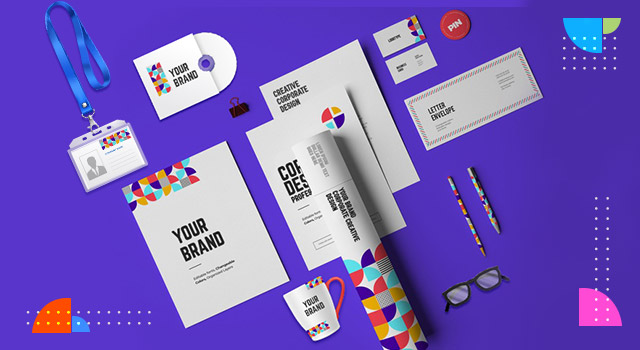
You will also make good use of the repetition of the elements on social media and other platforms. Besides colors and fonts, incorporating a specific image or graphic multiple times go a long way in reinforcing your idea and message. Repetition is a crucial design element that helps create familiarity and trust for viewers and the target audience. A designer repeats lines, colors, fonts, shapes, and themes to create a specific pattern to make a design user-friendly and trustworthy. There are repetition design principles that a designer follows to achieve particular goals. Graphic designers use repetition of design elements as part of branding strategy.
The human eye likes patterns and repetition, which is why we look at aesthetic things again. So, repetition can help present information in an organized way that people find attractive. When you use the same elements repeatedly in a design, it becomes a pattern.
Fabric Designers do not consider these layouts in isolation – they are most of the time overlapped – a single pattern can have many of these elements in it. This pattern has motifs/elements/threads which overlap – this results in a different colour than the original where they intersect. The pattern match determines where the pattern matches at the seams. Random match is the easiest to install and will not create any waste when measuring strips as these wallpapers line up randomly at the seams. Drop-match and straight match wallpapers may result in some waste when you match the pattern from strip to strip.
For instance, your navigational buttons appear at the same spot in the same colors on each website page. So, with the design repeated, you coherently guide the visitors to move around on different web pages. I hope this has given you a good understanding of what’s possible in the world of surface pattern repeats and has inspired you to start creating your own pattern repeats. In a tossed/random surface pattern repeat, the elements of the design are scattered within the repeat unit.
The purpose of repeating the elements is to give viewers a sense of familiarity. They can be confident in what they see and be assured of being on an authentic site. While talking about graphic designs, we often mention and analyze colors, fonts, shapes, images, symbols, etc.
History repeats itself: The Titan submersible implosion mirrors past disasters - The Conversation
History repeats itself: The Titan submersible implosion mirrors past disasters.
Posted: Mon, 26 Jun 2023 07:00:00 GMT [source]
When viewers see an element multiple times in a design, they get familiar with the visual. That helps build a brand identity as the design appears everywhere on social media sites, websites, packaging, etc. The use of repeated design elements is a controversial topic in the creative industry. Usually a fabric design consists of mixing and matching different patterns. Designers combine different patterns, scales, and colors within a single fabric collection that appeals to different consumer preferences. In graphic design, repetition is about using an element multiple times in a piece of design.